Commercial Climbing Wall Maintenance Guide
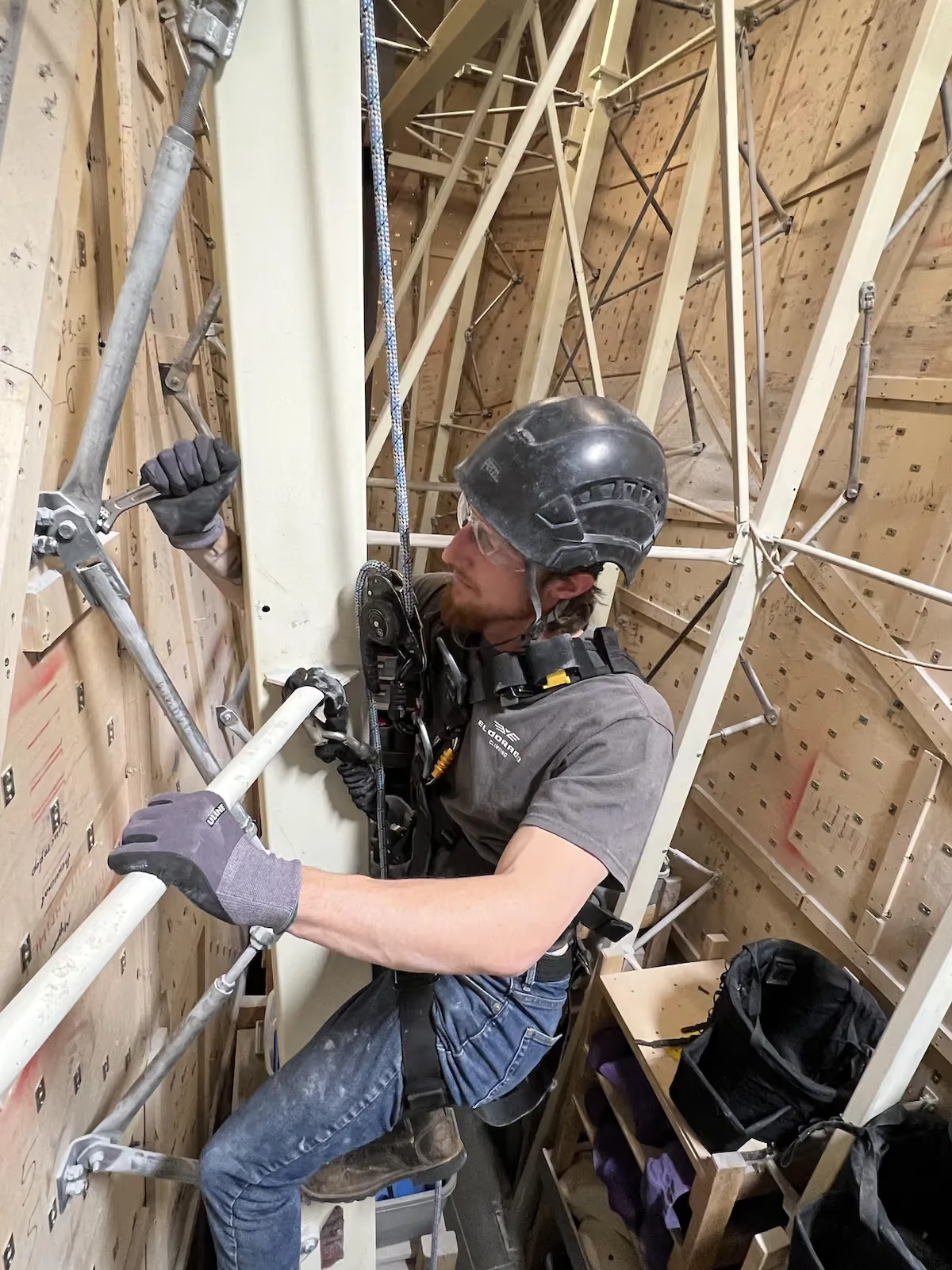
For facility owners, a commercial climbing wall is a long-term asset that needs consistent care to stay safe, reliable, and attractive to climbers. It can be tempting to wait until something looks wrong before taking action, but costly repairs often start with small issues that go unnoticed during routine use.
A proactive maintenance program helps you catch wear early, reduce downtime, support documentation for risk management, and protect the overall climbing experience. When daily and seasonal upkeep is paired with professional inspections, you can extend the life of your wall and make smarter decisions about repair, refurbishment, or replacement.
This guide breaks down what to inspect, how often to inspect it, and when it makes sense to bring in a professional climbing wall specialist.
Why Preventive Maintenance Protects Your Investment
Commercial climbing walls are built to last for decades, but long service life depends on regular care. Deferred maintenance rarely stays small for long. A loose hold, worn fastener, damaged panel seam, or aging flooring system can become more expensive to correct when it is ignored.
Preventive maintenance also supports day-to-day operations. Regular inspections can reduce unexpected downtime, improve the confidence of climbers and staff, and help facilities maintain clearer documentation for insurance and internal risk management.
Preventive maintenance almost always costs less than emergency structural repairs or premature replacement.
Daily Climbing Wall Inspections
Daily inspections should be quick, consistent, and completed before the wall opens to users. The goal is to spot visible problems early before they affect safety or disrupt operations.
During daily checks, staff should look for:
- Loose or spinning climbing holds
- Cracked holds
- Missing hardware
- Damaged anchor points
- Auto-belay issues visible during a visual inspection, if applicable
- Misaligned or shifting padding
- Obvious wall damage
- Debris or hazards in the fall zone
Even when no issues are found, documenting the inspection in a log helps create a clear maintenance record over time.
Weekly Maintenance Tasks
Weekly maintenance should go beyond a simple walk-through. This is the time to inspect components that may not show obvious failure during a daily check but still affect long-term wall performance.
Weekly tasks may include:
- Torque-checking frequently used holds
- Inspecting T-nuts
- Examining seams between panels
- Cleaning holds and textured surfaces
- Checking flooring connections
- Reviewing anchor hardware
- Inspecting ropes and cables where applicable
- Verifying that safety signage is visible and current
This routine helps facilities catch gradual wear before it becomes a larger repair issue.
Monthly and Seasonal Maintenance
Monthly and seasonal maintenance gives facility teams a broader view of wall condition. In addition to regular cleaning, this is a good time to review environmental factors that may affect long-term durability.
Key areas to review include wall-surface cleaning, rotating heavily worn holds, checking for moisture issues, monitoring HVAC-related wear, evaluating exterior weather exposure where relevant, and inspecting lighting around the climbing area. Facilities can also use this review cycle to confirm that staff are following inspection procedures consistently.
Why Annual Professional Climbing Wall Inspections Matter
Facility teams can manage many routine maintenance tasks internally, but some issues require specialized evaluation. Annual professional inspections help identify concerns that may not be visible during standard in-house checks.
Professional inspectors can evaluate:
- Structural framing
- Attachment systems
- Fastener integrity
- Panel wear
- RealRock™ condition
- Flooring performance
- Engineering concerns
- Compliance documentation
Many insurers and institutional risk managers recommend, or may require, documented professional inspections as part of a broader safety and liability program.
Common Signs It’s Time for Climbing Wall Refurbishment
Not every aging wall needs full replacement. In many cases, a wall remains structurally sound but no longer delivers the appearance, performance, or user experience a facility wants to offer.
Signs that refurbishment may be worth considering include worn textures, outdated aesthetics, repeated patch repairs, aging flooring systems, limited route variety, older hardware, and maintenance demands that keep increasing over time. A well-planned refurbishment can improve both safety perception and member satisfaction while extending the useful life of the wall.
Repair vs. Refurbishment vs. Replacement
The right solution depends on the condition of the wall and the facility’s long-term goals.
For many facilities, refurbishment offers a practical middle ground. It can modernize the wall, improve the user experience, and extend service life without the cost of a completely new installation.
Understanding ASTM and CWA Safety Standards
Climbing wall maintenance should always be guided by current industry standards and manufacturer recommendations. ASTM standards help define expectations for climbing wall manufacturing, while Climbing Wall Association guidance supports safe wall operation and maintenance practices.
That is one reason documentation matters so much. Clear inspection records, staff training, and regular professional evaluations help facilities stay aligned with evolving standards, especially when managing older walls.
Build a Maintenance Program, Not Just a Checklist
A strong maintenance program is more effective than a one-time checklist because it turns inspection and upkeep into part of long-term asset management. Facilities that plan ahead are better positioned to prevent emergency repairs and control maintenance costs.
An effective program should include:
- Daily inspections
- Weekly maintenance tasks
- Monthly documentation
- Annual professional inspections
- Long-term refurbishment planning
- Budget forecasting
When maintenance is treated as an ongoing operational priority, facilities are more likely to keep their walls safe, dependable, and ready for continued use.
Schedule a Professional Climbing Wall Inspection
Whether your climbing wall is five years old or twenty-five, regular professional inspections can help you identify issues before they turn into expensive repairs. Eldorado’s inspection specialists evaluate wall safety, structural integrity, wear, and refurbishment opportunities so facilities can extend the life of their investment while maintaining a safe climbing environment.
If you want a clearer picture of your wall’s condition and the smartest next step for your facility, schedule a professional inspection.