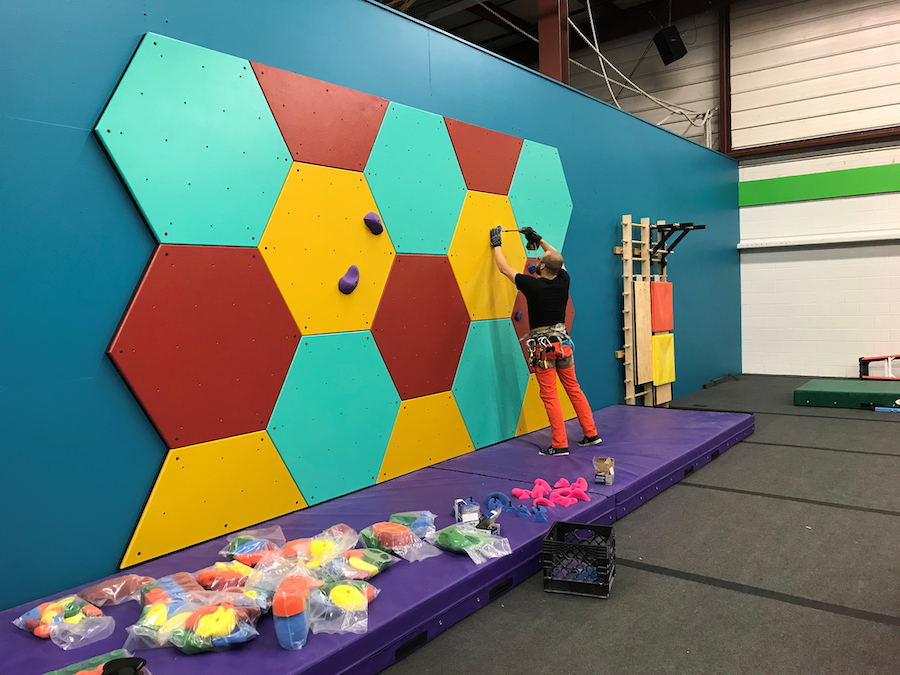
If the drive to your climbing gym is getting old—or family life makes regular sessions harder—a garage climbing wall can bring more training time home. It can give you room to work on custom projects, practice movement, or build a routine that fits your schedule.
Before you tear into the garage, though, think beyond the wall itself. Temperature, fall space, ventilation, training goals, and budget will all shape whether the finished setup is useful and comfortable.
Plan for temperature and humidity
A garage can be freezing in winter and sweltering in summer. Before construction, assess insulation and ventilation, and decide how you will control the environment throughout the year. Portable heaters, fans, or a window AC unit may help, depending on the space and local conditions.
Humidity matters, too. Excess moisture can make the garage uncomfortable, affect equipment and materials, and make training less pleasant. Plan for temperature, humidity, and airflow before you choose materials or finalize the wall layout.
Protect the fall zone—and leave room to move
Getting up the wall is only part of the equation. You also need a clear, usable landing area.
Make sure you have enough space for crash pads and keep the fall zone away from:
- shelving and storage
- loose equipment
- windows and other hard obstructions
- anything that could shift or catch a climber during a fall
Leave room to walk around the wall, too. A little extra circulation space makes the garage more comfortable for family members or friends and helps the wall feel like part of the home rather than an obstacle in a storage area.
Before you build, confirm that the wall, anchors, landing surface, and surrounding clearance meet applicable manufacturer guidance and local building or safety requirements.
Add T-nuts with a plan
The more route-setting flexibility you want, the more T-nuts you may need—but layout matters more than simply adding as many as possible. A commonly cited range is roughly 90–130 T-nuts per sheet, but the right number depends on the plywood, wall design, structural support, and how you plan to use the panel.
Drilling more holes can affect panel strength, so research the construction details before you commit to a pattern. Ask yourself:
- Are you training finger strength?
- Do you want to practice route setting?
- Are you recreating an outdoor project?
- Do you want a spray wall that can change often?
Your answers will help determine the hold density, panel layout, and amount of setting flexibility you actually need.
Keep the air clean
Sawdust, chalk dust, sweat, and other particles can build up in a garage. Poor air quality can affect comfort and performance, and it may be a meaningful safety concern for anyone in the household with asthma, COPD, or another respiratory condition.
Opening the garage door can improve airflow, but it should not be your only plan. Consider filtration or ventilation that suits the space. You may also choose liquid chalk if it helps reduce airborne dust, while following the product’s instructions and considering the needs of everyone who uses the garage.
Compare a custom wall with commercial boards
Building a custom wall can be rewarding, but commercial systems may be a better fit if you want structured training without designing every problem yourself. MoonBoard, Kilter Board, and Tension Board systems each offer different hold styles, movement, and training experiences.
For example, Tension Board setups commonly use wood holds. Those holds can be gentler on skin, but they may require more precise foot placement. If you are not interested in frequent route setting, a spray wall can offer a flexible training option with less ongoing maintenance.
The best choice depends on your goals, available space, and willingness to reset problems over time.
Build a realistic budget
The cost of a home climbing wall can grow quickly without careful planning. Research your local market for used holds through sources such as Craigslist and Facebook Marketplace, and measure twice before cutting or drilling. A small error can mean replacing plywood, hardware, or other materials.
A garage wall can be built on a budget, but preparation is what keeps the project from becoming more expensive than expected. Create a materials list, account for safety and air-quality needs, and leave room for future holds or upgrades.
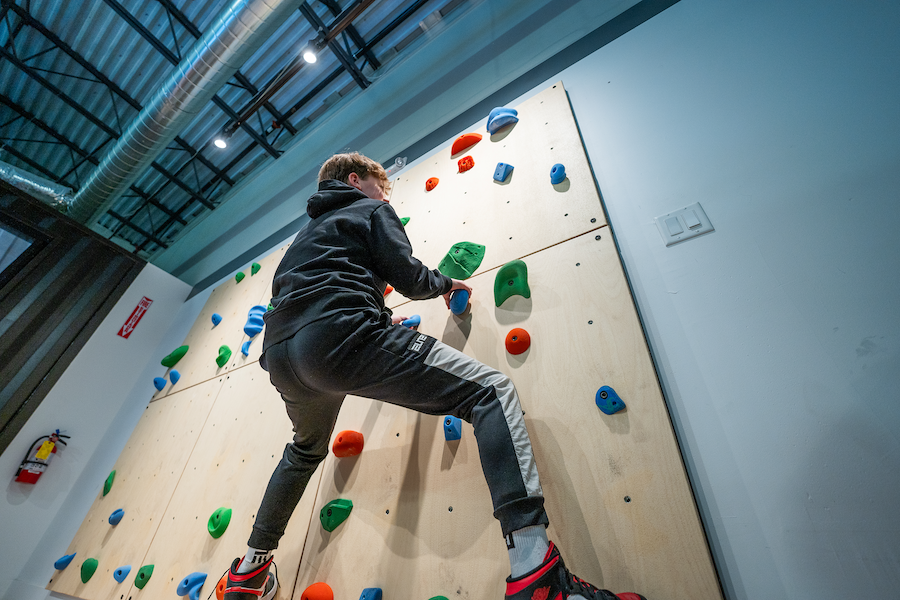
Make the wall fit your life
A garage climbing wall is more than a set of panels. It is a training environment that needs to work with the climate, layout, household, and goals of the people who use it.
Start by defining what you want from the space. Then plan the fall zone, environmental controls, air quality, T-nut layout, training system, and budget before construction begins. With the right research and preparation, you can create a home wall that supports consistent training without taking over the entire garage.
Further reading
- REI: How to Build a Home Climbing Wall
- Tension Climbing: Tension Board 2
- Climbing: First Look at the Kilter Home Wall